 Hopeful Futures AI
Our Vision
Hopeful Futures AI is a public engagement research project that brings together young people, educators, and researchers to explore the future of artificial intelligence. We believe that the voices of today's young people should help shape the AI technologies of tomorrow in positive and practical ways.
Through speculative design and creative exploration, we're asking: What kind of AI future do we want? How can AI help solve the challenges facing our world? And how can we ensure AI benefits everyone?
Why This Matters
Inclusive AI Futures
AI will shape the world that today's young people will inherit. By involving them in conversations about AI now, we can work toward more inclusive, ethical, and human-centered AI technologies.
Critical Thinking
The challenge encourages young people to think critically about technology, considering both opportunities and risks, and to imagine alternatives to the AI futures they're often presented with.
Creative Skills
Through speculative design, young people develop valuable skills in research, creative problem-solving, storytelling, and visual communication.
Public Dialogue
Young people's submissions will contribute to important public conversations about AI development and governance, informing policy and research directions.
The Research
The Hopeful Futures AI Challenge forms part of Northumbria University's Citizen-Centred AI research activities, and as such is subject to the University's ethics approval processes. Our research explores how participatory design methods can involve diverse publics in shaping emerging technologies.
Through the Hopeful Futures AI Challenge, we're investigating:
- How young people imagine AI futures and what values shape these visions
- Effective methods for engaging schools in speculative design activities
- Ways to bring youth perspectives into AI development and policy discussions
- The role of design in promoting critical AI literacy
Our Approach
Speculative Design is a design approach that uses fictional scenarios to explore possible futures. Instead of solving existing problems, it asks "what if?" questions to provoke discussion and imagine alternatives.
We've created design briefs around key themes where AI might have significant impact by 2050. Young people can work with these briefs to create speculative designs.
Our Research Team
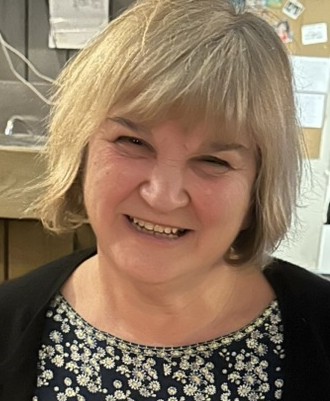
Pam Briggs
Psychology Professor
A Psychology Professor with an interest in AI and digital futures, digital literacy, privacy and security and digital exclusion.
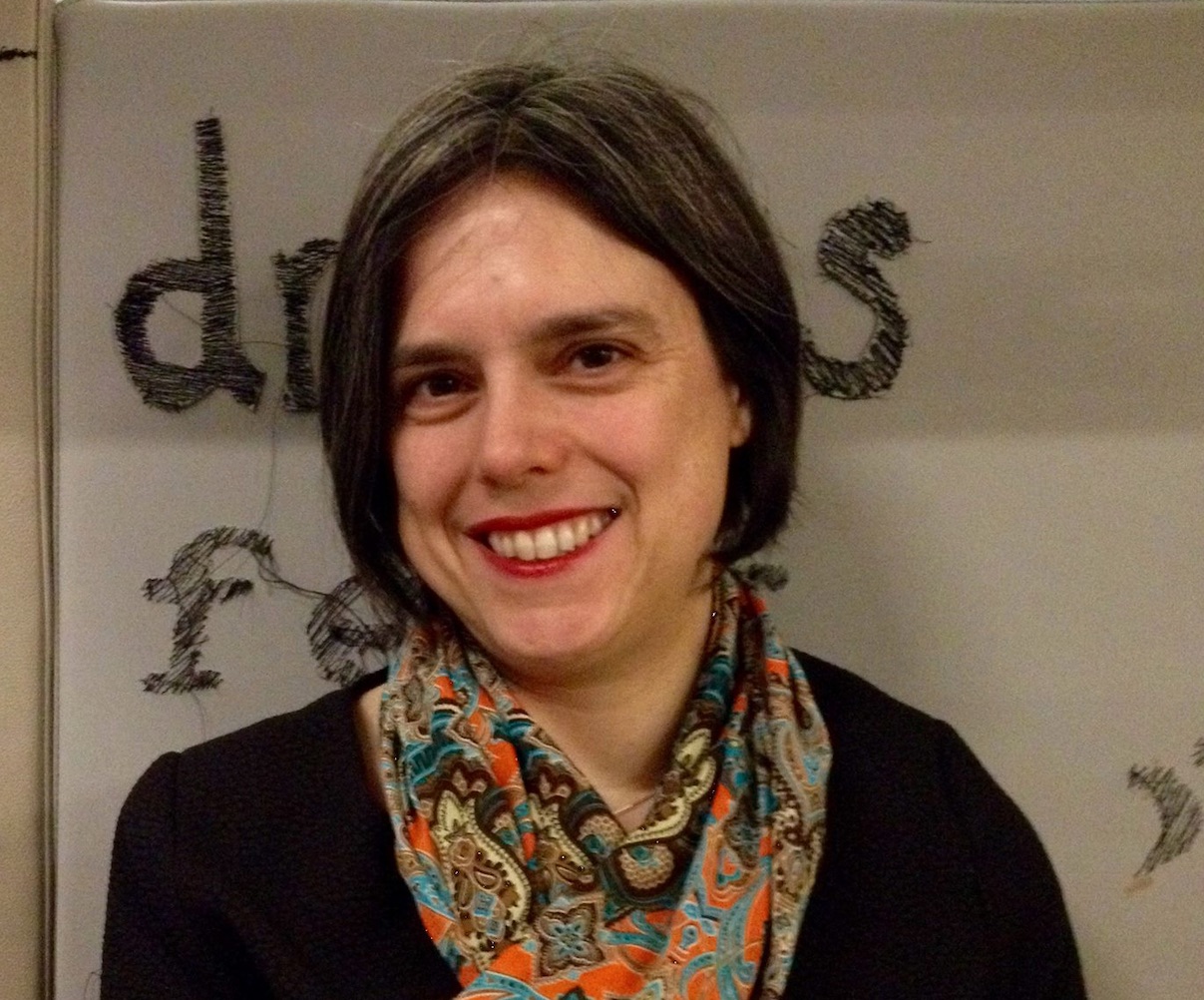
Claire Murphy-Morgan
Research Fellow and Senior Research Assistant, School of Psychology
Research Fellow and Senior Research Assistant, School of Psychology.

Lauren Scott
Lecturer in Computer Science
Lecturer in Computer Science with a focus on misinformation, disinformation, and AI literacy.

Joella Lynch
PhD researcher in Citizen-Centred AI
PhD researcher in Citizen-Centred AI, exploring how the use of AI affects teachers’ professional practice.

Yve Smith
PhD researcher in Citizen-Centred AI
A PhD researcher in Citizen-Centred AI, exploring children’s ideas for the future of education.

Kyle Montague
Professor in Computer Science
Professor in Computer Science focusing on participatory AI and digital inclusion.

Reem Talhouk
Associate Professor
Associate Professor designing technologies with marginalised communities.

Dan Jackson
Senior Research Software Engineer
Senior Research Software Engineer in the UKRI AI Centre for Doctoral Training in Citizen-Centred Artificial Intelligence.

Jayne Wallace
Professor of Craft and Wellbeing
Professor of Craft and Wellbeing, exploring the potential of co-creative design, digital technologies, and acts of making to support sense of self across a range of human contexts.

Matt Wood
Assistant Professor
Assistant Professor researching HCI, interested in playful & citizen centred methods. Also a Puppeteer.
Research Ethics
This project has received ethical approval from Northumbria University’s Ethics Online System. We are committed to conducting research ethically and responsibly:
- All participation is voluntary, and participants can withdraw at any time
- We obtain appropriate consent from schools, parents/guardians, and young people
- Young people's work is anonymised unless explicit permission is given for attribution
- Data is stored securely and used only for stated research purposes
- We follow GDPR and data protection regulations
For more information, please see our Rules and Guidelines or contact us.
Want to Learn More?
Get in touch with our research team to discuss the project, ask questions, or explore collaboration opportunities.
Contact Us